How to Plan Fresh Coconut Orders from Vietnam for International Buyers
How to Plan Fresh Coconut Orders from Vietnam for International Buyers
How to Plan Fresh Coconut Orders from Vietnam for International Buyers
How to Plan Fresh Coconut Orders from Vietnam for International Buyers
How to Plan Fresh Coconut Orders from Vietnam for International Buyers
How to Plan Fresh Coconut Orders from Vietnam for International Buyers



WhatsApp Business
0988 136 734
- No. 31 Hung Binh Hamlet, Hung Nhượng Commune, Vinh Long Province
- 0988 136 734
- [email protected]
- duathanhdanh.com

How to Plan Fresh Coconut Orders from Vietnam for International Buyers
For international importers and distributors, purchasing fresh coconuts involves more than selecting a supplier and requesting a price quotation.
A successful order starts with clear product requirements, realistic purchasing volumes, suitable packaging and an agreed shipment schedule.
When these details are discussed early, both buyers and suppliers can prepare more effectively and reduce avoidable misunderstandings.
For businesses sourcing fresh coconuts from Vietnam, understanding the ordering process is an important step toward building a reliable supply relationship.
Understanding Your Fresh Coconut Requirements
Before contacting a Vietnamese coconut supplier, buyers should identify the type of product their market needs.
Fresh coconuts may be supplied in different sizes, maturity levels and preparation styles depending on the intended customer.
For example, coconuts distributed through supermarkets may have different presentation requirements from those supplied to restaurants, wholesalers or food-service businesses.
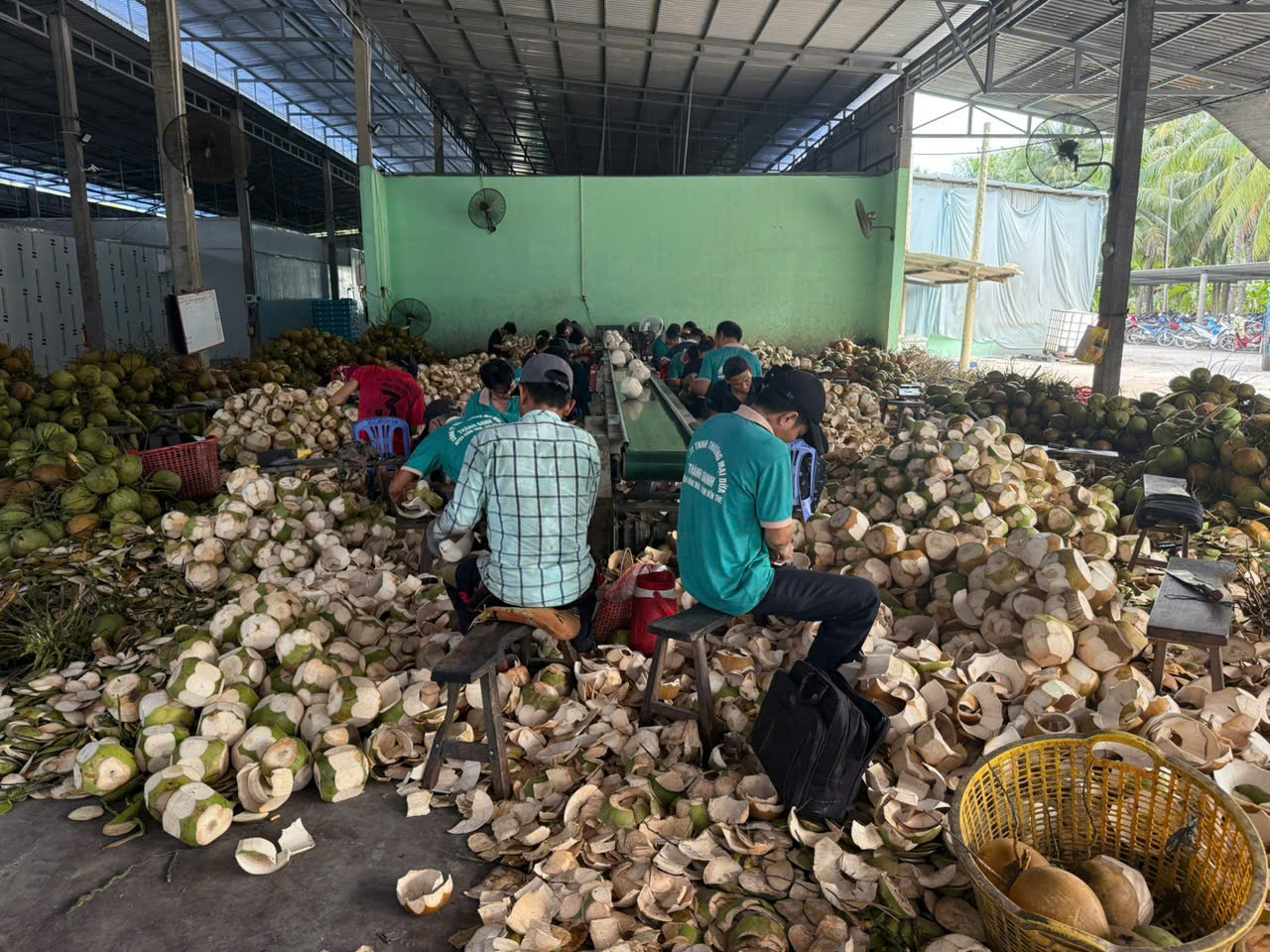
Important specifications to discuss include:
-
Coconut variety and maturity
-
Preferred size and weight range
-
External appearance and trimming style
-
Intended distribution channel
-
Packaging and labeling requirements
Providing these details allows suppliers to evaluate the request and prepare a more relevant quotation.
Planning Bulk Coconut Order Quantities
Order volume is an important consideration when purchasing fresh coconuts for international markets.
Some buyers may begin with a smaller commercial order to evaluate product suitability, while established importers may require recurring container shipments.
Before confirming an order, buyers should consider their expected sales volume, storage capacity, distribution schedule and available inventory.
For businesses planning repeat purchases, communicating expected monthly or quarterly demand can also support better coordination with suppliers.
Rather than focusing only on the quantity of the first shipment, importers should consider how future orders may develop as their market grows.
Choosing Suitable Packaging for International Shipping
Packaging is an essential part of fresh coconut order planning.
Products may pass through several handling stages before reaching the importer's warehouse or distribution network.
Depending on the product specifications and shipment requirements, buyers may need to discuss:
-
Number of coconuts per carton
-
Carton dimensions and strength
-
Product protection during handling
-
Labeling and identification
-
Pallet arrangements
-
Container loading requirements
Packaging preferences should be confirmed before an order enters preparation.
For international buyers, suitable packaging can help protect products, support warehouse handling and make distribution more efficient.
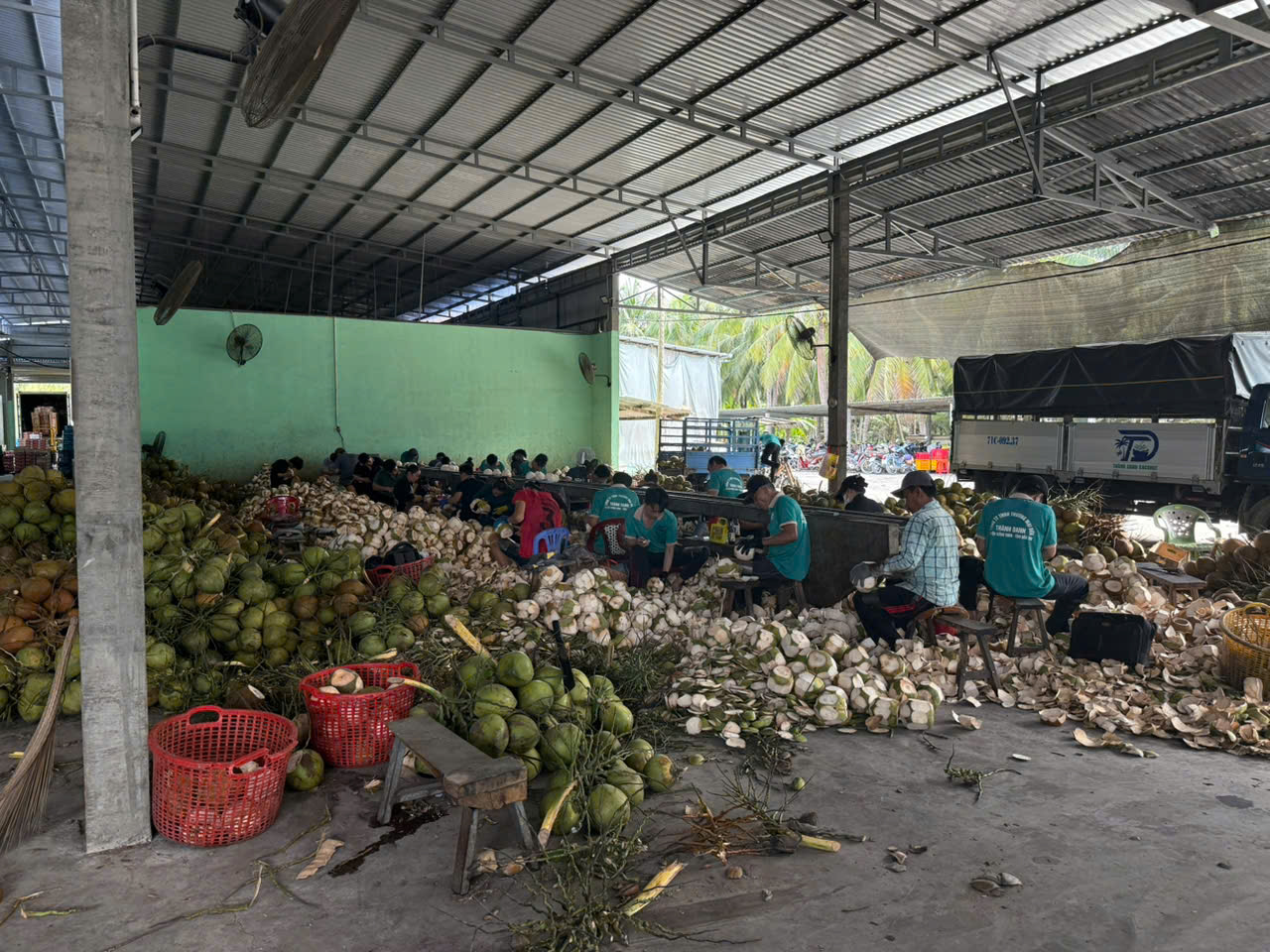
Coordinating Production and Shipment Schedules
Fresh coconut orders require coordination between product sourcing, preparation, packing and transportation.
Buyers should communicate their expected delivery window as early as possible.
This allows the supplier to discuss the preparation schedule and identify any timing considerations before the order is confirmed.
International shipping schedules may be affected by vessel availability, port operations, customs procedures and other logistics conditions.
For this reason, importers should avoid assuming that every shipment will follow exactly the same timeline.
Clear communication helps both parties manage expectations and prepare for possible changes.
Why Repeat Order Planning Matters
For wholesalers and distributors, a reliable supply relationship becomes increasingly valuable when purchasing moves beyond the first shipment.
Repeat orders allow buyers and suppliers to establish clearer expectations regarding product specifications, packaging preferences and purchasing schedules.
Over time, this can help reduce unnecessary changes and improve coordination.
Businesses planning regular fresh coconut imports should discuss:
-
Expected purchasing frequency
-
Estimated order volumes
-
Seasonal changes in demand
-
Product specifications for future shipments
-
Preferred communication and confirmation procedures
These discussions are particularly useful for companies supplying supermarkets, food-service customers and wholesale distribution networks.
What Information Should Buyers Send When Requesting a Quotation?
A clear inquiry can make the purchasing process easier for both parties.
When contacting a Vietnamese fresh coconut supplier, international buyers should ideally provide the following information:
|
Information |
Details |
|---|---|
|
Product |
Fresh coconut type and preferred preparation |
|
Specifications |
Size, weight, maturity and appearance |
|
Quantity |
Estimated order volume |
|
Packaging |
Carton and labeling requirements |
|
Destination |
Country and destination port |
|
Schedule |
Preferred shipment period |
|
Frequency |
One-time or recurring orders |
Providing complete information helps suppliers understand the commercial requirements and determine which options can be discussed.
Building a Reliable Coconut Supply Partnership
International sourcing works best when both parties share clear expectations.
A supplier should understand the buyer's product requirements, while the buyer should have realistic expectations regarding preparation, shipping and communication.
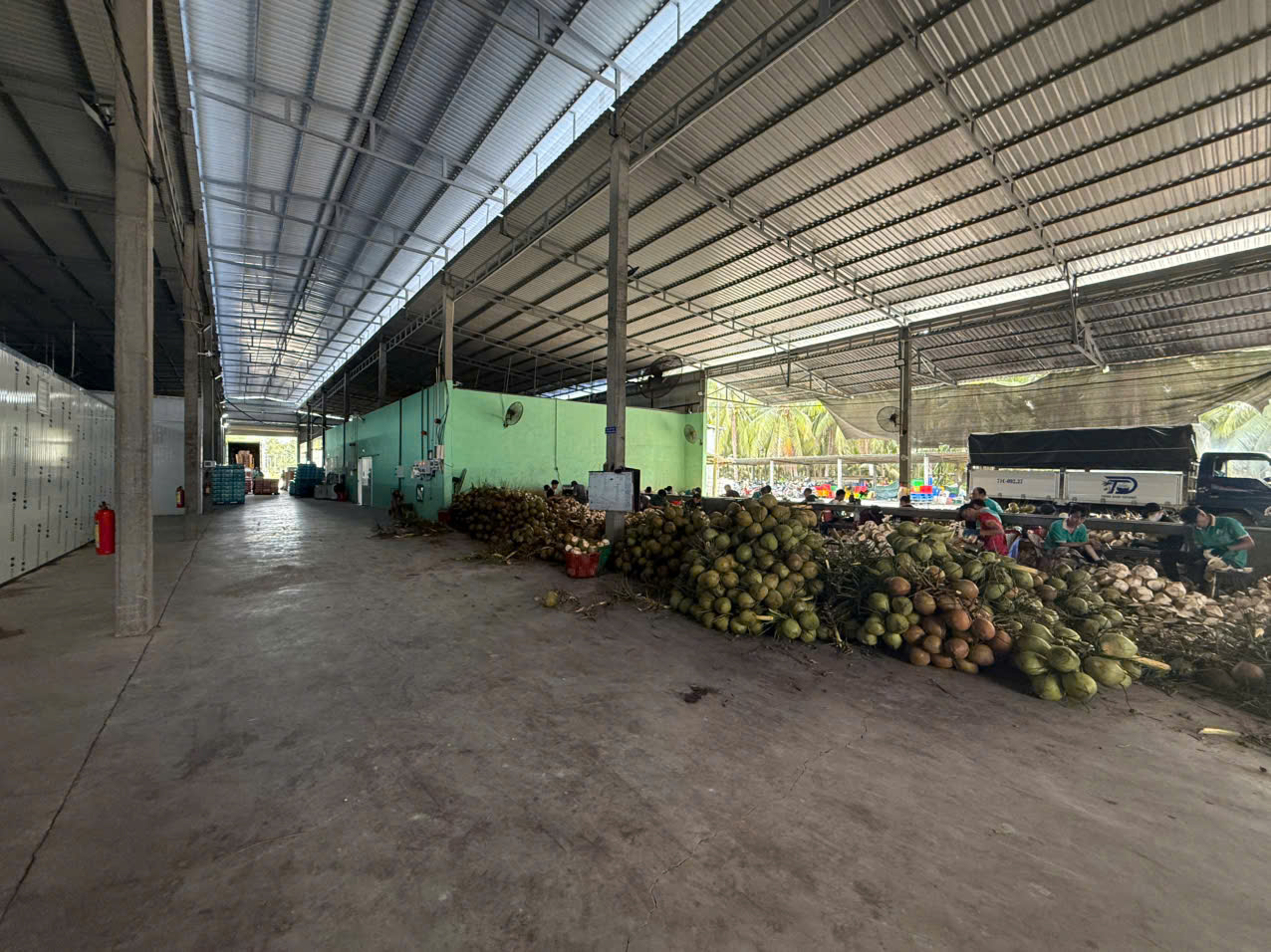
At THÀNH DANH COCONUT, we focus on developing B2B relationships with international buyers seeking fresh coconuts from Vietnam.
Our approach emphasizes product selection, careful handling, professional packing and communication throughout the ordering process.
We welcome discussions with importers, distributors, wholesalers and trading companies looking for long-term cooperation.
Looking for Fresh Coconut Supply from Vietnam?
Whether your business is preparing its first coconut import order or planning regular wholesale purchases, clear communication is the starting point.
Share your product specifications, expected quantity, packaging preferences and destination with our team.
THÀNH DANH COCONUT
Vietnamese Coconut Supplier | Global B2B Partner
Email: [email protected] WhatsApp: +84 988 136 734 Website: www.duathanhdanh.com
Let's discuss your fresh coconut sourcing requirements.